
What Are Hard Facing Electrodes — And Why They Matter for Heavy-Duty Applications
- StarBlaze SEO
- Feb 19
- 2 min read

In industries where metal surfaces are subjected to continuous wear and tear, abrasion, impact, or high temperatures, protecting equipment and components from premature failure is vital. This is where Hard Facing Electrodes play a crucial role — providing durability, strength, and long service life to critical parts across manufacturing, mining, construction, and engineering sectors.
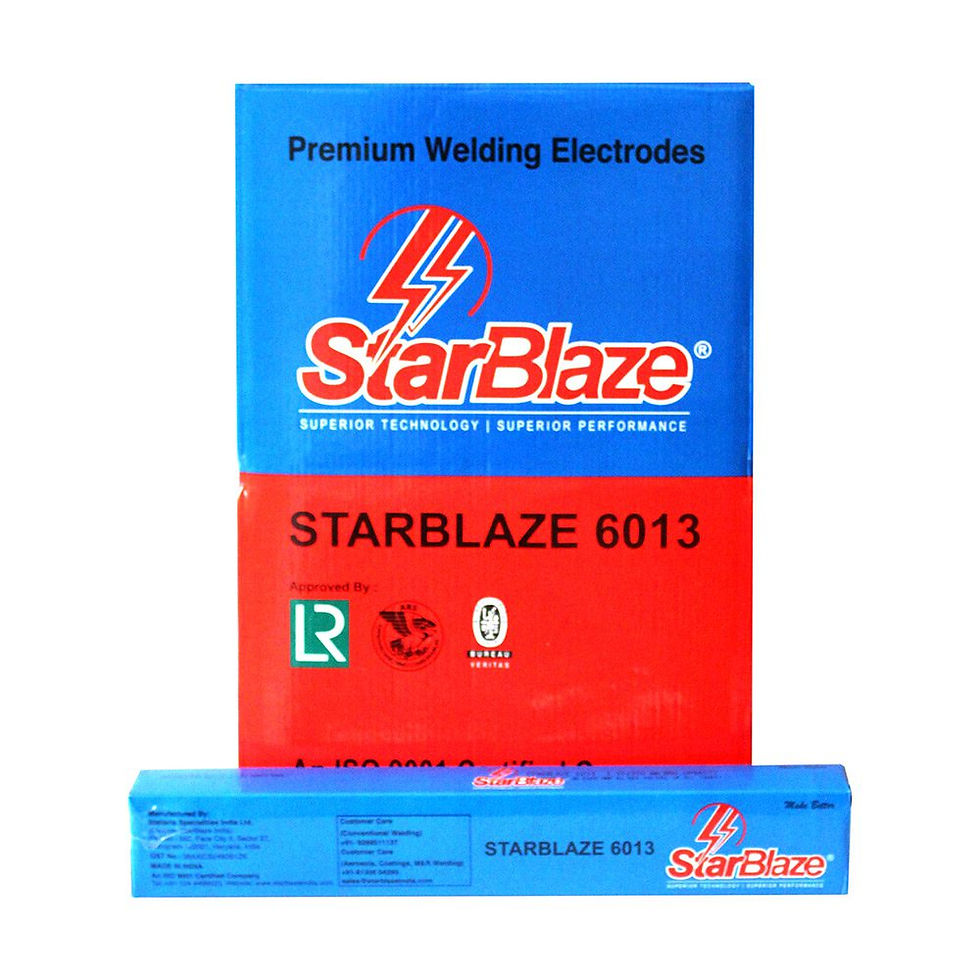
Hard facing is a specialized welding process in which a layer of tough, wear-resistant material is deposited onto the surface of a base metal. Instead of building a joint like traditional welding, hard facing adds a protective layer that enhances performance and extends the lifespan of machine parts.
What Makes Hard Facing Electrodes Unique
Unlike general-purpose welding rods, Hard Facing Electrodes are formulated to deposit alloys with specific properties. These alloys may contain combinations of carbon, chromium, nickel, tungsten, and other elements that deliver exceptional hardness and wear resistance. The result is a surface that withstands abrasive environments — such as soil, rock, sand, or chemical exposure — much better than the ordinary base metal alone.
Whether dealing with chutes, crushers, earth-moving buckets, weld-on tools, or industrial rollers, choosing the right Hard Facing Electrodes ensures that the metal surface can endure heavy use over extended periods.
Key Benefits of Using Hard Facing Electrodes
Enhanced Wear ResistanceHard facing builds a tough surface that resists abrasive wear far better than untreated metal — reducing replacement costs and unplanned downtime.
Improved Component LifespanEquipment protected with high-performance electrodes lasts significantly longer, improving return on investment.
Reduced Maintenance CostsHard faced parts require less frequent repair or replacement, which saves both labor and material costs.
Versatility Across IndustriesHeavy machinery parts in mining, power plants, agriculture, and steel plants benefit from hard facing — making it a widely used technique in demanding environments.
Cost-Effective ProtectionApplying a wear-resistant layer is often more economical than fabricating new parts from solid wear-resistant alloys.
How to Choose the Right Hard Facing Electrodes
Selecting the proper electrode depends on the type of wear encountered:
Abrasive Wear: Choose electrodes with high hardness and carbide content.
Impact Wear: Use electrodes with a balance of toughness and hardness.
Extreme Heat: Look for heat-resistant formulations that maintain strength at elevated temperatures.
A reliable supplier can guide you on the ideal specification based on your operational needs, helping you get the best results for your applications.
Application Areas for Hard Facing Electrodes
Hard facing is widely used in:
Mining equipment (drills, buckets, screens)
Earth-moving machinery
Steel plant tools and molds
Cement plant machinery
Agricultural equipment
Crushers, grinders, and conveyorsThese applications often operate under heavy load and abrasive conditions, making hard facing a necessity rather than an option.
Conclusion
In demanding industrial environments, equipment reliability and durability are key to operational success. Integrating quality Hard Facing Electrodes into your welding solutions enhances performance, minimizes downtime, and delivers long-term cost savings. Choosing the right electrode helps protect valuable assets and strengthens your production capability.


Comments